Layered Interiors Layered Interiors

INSPIRATION

Layered Interiors

Layered Interiors - Textured Home Design

The most considered interiors are rarely defined by perfect uniformity. Instead, they bring together contrasting materials, textures and finishes, allowing each to retain its own character while contributing to a cohesive whole.

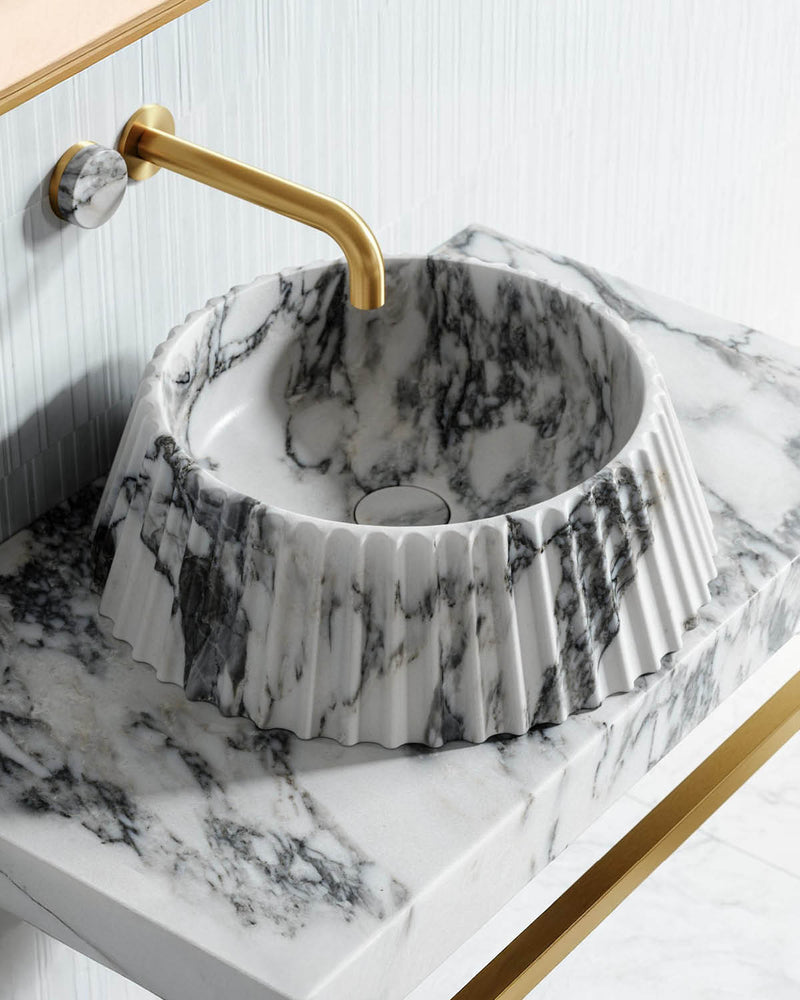
Layering is central to this approach. Natural stone, timber, metal, lighting, hardware and decorative details can each introduce a different quality to a space. When thoughtfully considered, these elements create depth, warmth and individuality, resulting in an interior that feels collected and considered rather than overly coordinated.

Begin with a considered material palette

The foundation of a layered interior is a carefully selected palette of materials. Rather than choosing finishes in isolation, consider how they will interact with one another across the space.

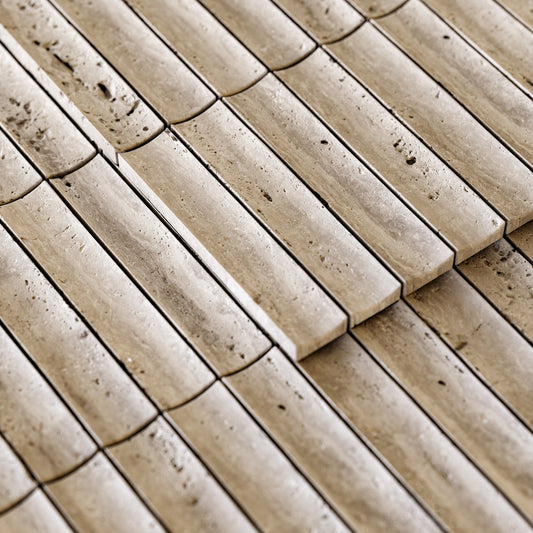
Natural stone might provide the architectural foundation, with its veining and natural variation introducing movement. Timber can bring warmth, while textured fabrics and softer finishes create contrast against harder surfaces. Metalwork and lighting then add definition through subtle changes in tone and texture.

The intention is not to introduce as many materials as possible, but to create a balance between them. Repeating certain tones, textures or natural qualities throughout the space helps to establish a visual connection between contrasting elements.

Create depth through contrast

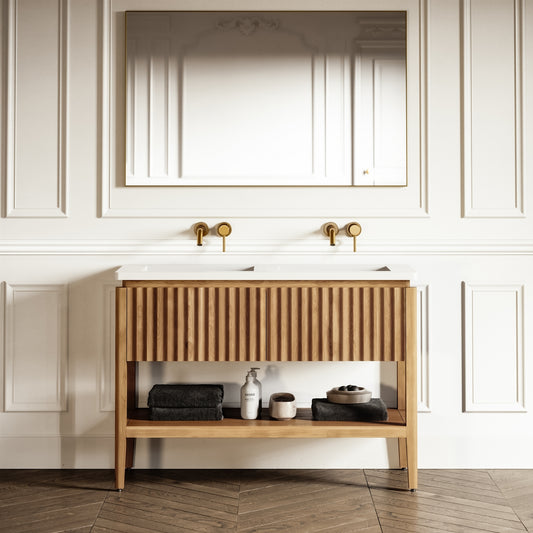
Contrast is one of the simplest ways to give an interior greater depth. Smooth stone against tactile timber, polished surfaces alongside aged finishes, or warm materials paired with cooler tones can create a more dynamic scheme.

The most successful combinations tend to balance moments of visual interest with quieter elements. A heavily veined marble, for example, may become the focal point, while more restrained cabinetry, hardware and furnishings allow its natural character to take centre stage.

This balance gives each material room to breathe, while creating an overall sense of depth and dimension.

The role of mixed metals

Mixed metals can be an important part of a layered interior, introducing subtle variation without disrupting the wider scheme.

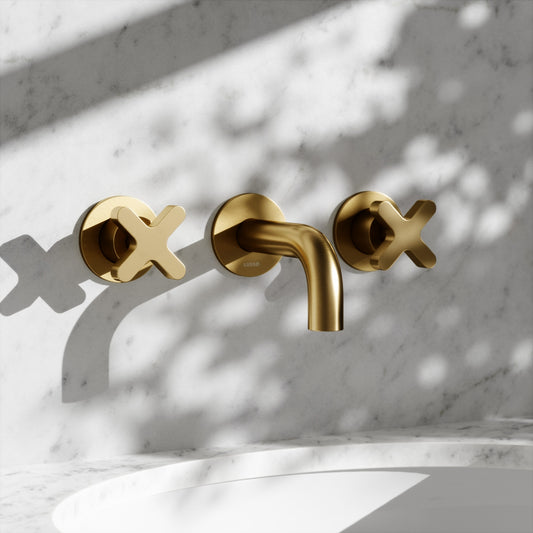
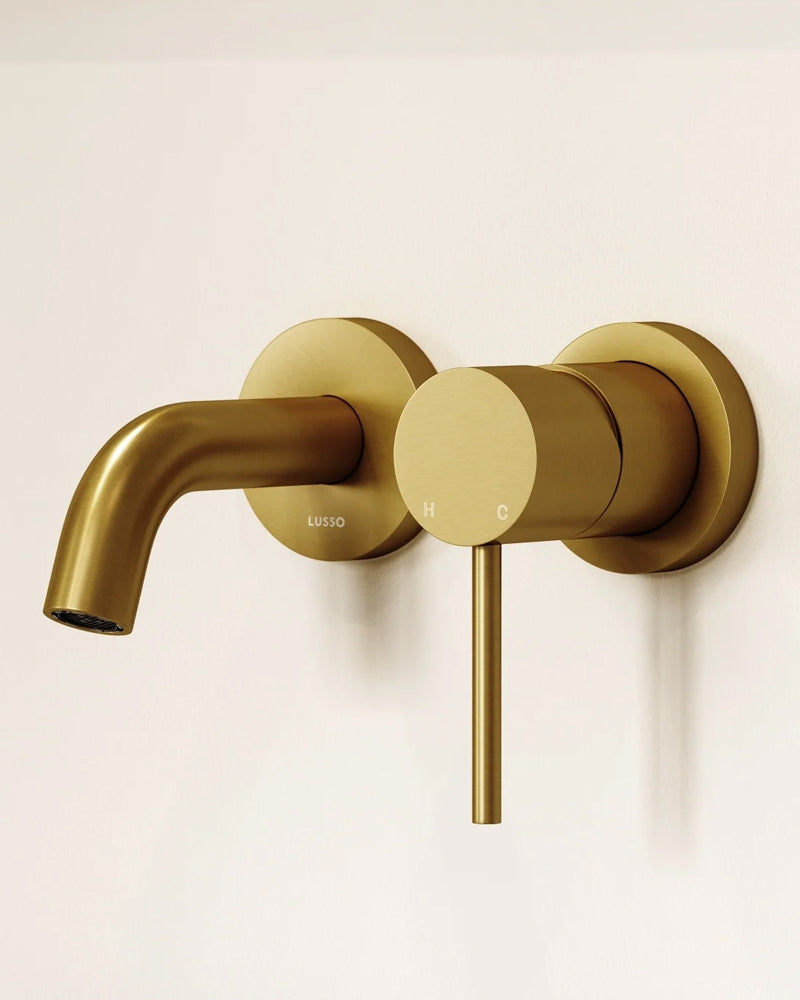
Rather than matching every tap, shower fitting, handle, light and accessory, consider combining complementary finishes. Warm brushed brass can sit beautifully alongside aged bronze, while polished nickel or chrome can provide a crisp contrast to richer metallic tones.

The key is repetition. A secondary finish should appear more than once, creating quiet connections throughout the room. Brass wall lights might echo the finish of a kitchen tap, while darker hardware is repeated across cabinetry, mirrors or smaller architectural details.

Used in this way, mixed metals become part of the wider material palette rather than a feature in isolation.

Consider the materials around them

Every finish is influenced by its surroundings. The same metal can appear remarkably different depending on the stone, timber, cabinetry and lighting alongside it.

Warm brass and bronze can draw out the natural warmth within richly veined marble and timber, while chrome and nickel can complement cooler stones and more contemporary palettes. Aged finishes, meanwhile, can bring depth and atmosphere to spaces where natural materials and more characterful details take prominence.

This is particularly important in kitchens and bathrooms, where multiple finishes are often brought together within a relatively compact space. Considering them as part of one material palette allows each element to complement rather than compete with the next.

Layer through detail

The finer details are often what bring a layered interior together. Cabinet hardware, mirrors, lighting, taps, sinks and accessories all provide opportunities to introduce texture, tone and subtle contrast.

A carefully chosen light fitting can add another material or finish to a kitchen, while a sculptural mirror or considered piece of hardware can create a moment of interest in a bathroom. Even smaller decorative details can contribute to the overall rhythm of a scheme.

When these elements are considered collectively, the eye moves naturally around the room, discovering different materials and finishes rather than being drawn towards one repeated element.

Choosing Bathroom Storage That Works

The right storage solution for your bathroom should be considered as part of the wider bathroom design. This depends on the scale and layout, as well as the number of people using it and the way the bathroom functions daily. 

Consideration should also be given to what needs to be stored, from everyday essentials that benefit from easy access to occasional items that can be discreetly concealed.

Practical elements, including existing plumbing and electrical points, should also allow you to understand the positioning and design of bathroom storage. A balance of open and concealed storage can create both functionality and visual interest. 

Bathroom storage is one of the most important design elements of a bathroom, but it can be easily elevated by material, finishes and intricate detail that complements the bathroom's existing interior style. 

Discover our collection of bathroom storage solutions, including vanity units and accessories, to elevate your pieces and explore further small bathroom ideas and bathroom shelf styling inspiration.

You can also explore our full range of buying guides for more practical advice, or visit Our World – LUSSO’s design and inspiration hub for more interior insights.

Published by: Georgia Wilcock