BUYING GUIDE

Installing & Maintaining Your Vanity Unit: A Complete Guide

BUYING GUIDE

Installing & Maintaining Your Vanity Unit: A Complete Guide

A vanity unit is more than a functional addition to your bathroom - it’s a centrepiece that defines the space. Combining practicality with refined design, modern vanity units are built for longevity, but their beauty and performance rely on proper installation and ongoing care.

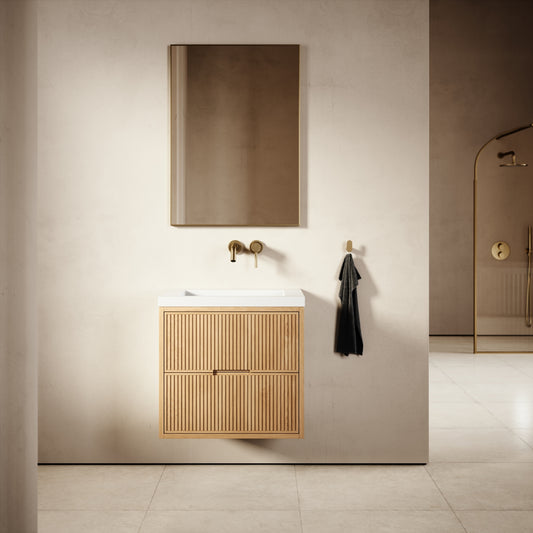
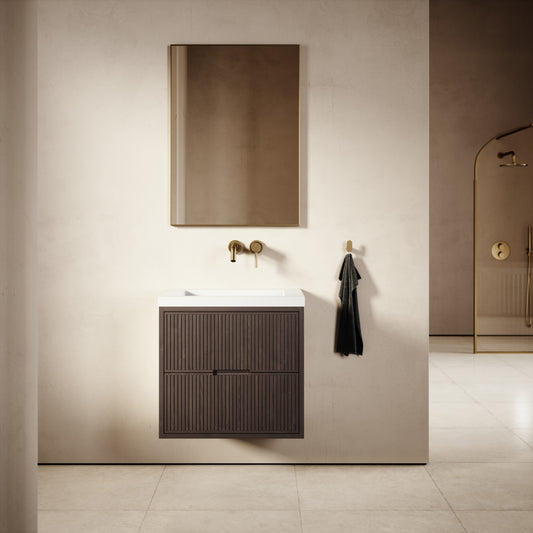
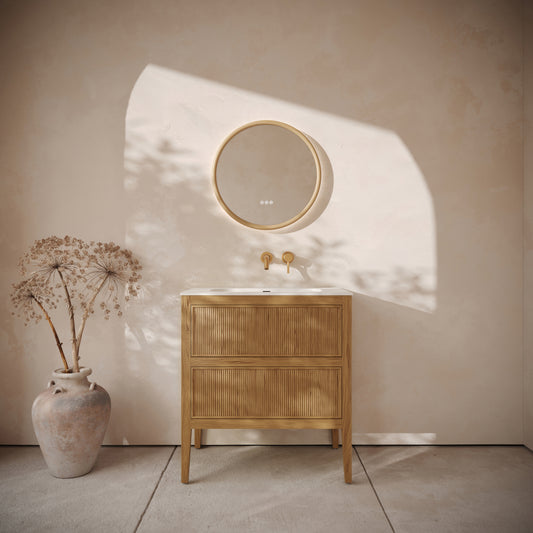
Whether you choose a freestanding or wall-hung design, each style requires a slightly different approach to fitting and maintenance. Understanding these differences ensures your unit remains secure, visually striking, and in excellent condition for years to come. Explore our full range of designs, including freestanding and wall-mounted designs, to find a style that complements your space and lifestyle.

How to Install a Vanity Unit

Before beginning, it’s important to note that a professional plumber is recommended - especially for more complex installations. This helps protect your product warranty and ensures plumbing connections are installed safely and correctly.

To install a vanity unit, you’ll need:

- Electric/Cordless Drill
- Drill Bit
- Tape Measure
- Spirit Level
- Kitchen & Bathroom Non-Acidic Silicone
- Pencil
- Screwdriver

Both freestanding and wall-hung units must be fixed to a horizontal noggin when installed on hollow walls. This ensures the unit is securely supported and safely mounted.

Installing a Freestanding Vanity Unit

Step 1
Measurement & Ventilation: Start by ensuring the installation area is well ventilated. Bathrooms with poor airflow can lead to moisture build-up, which may affect both the unit and surrounding finishes over time. Measure the space carefully to ensure the vanity fits precisely. Use a spirit level and pencil to mark where wall brackets will sit before drilling. Accuracy here prevents alignment issues later.

Step 2
Attach the Legs to the Vanity Unit: Remove the unit from its packaging and attach the legs using the supplied screws. Avoid over-tightening at this stage - slight adjustments may be needed later to ensure the unit sits perfectly level.

Step 3
The Dummy Prep: Position the vanity in place without fixing it permanently. This allows you to check that all plumbing connections align correctly and that pipes and fixtures can be accommodated without obstruction.

Step 4
Apply the Non-Acidic Silicone: Before securing the top, apply a bead of non-acidic silicone along the top edge of the base unit. Then, seal along the back edge where the unit meets the wall, applying silicone down the sides for additional stability and water resistance.

Step 5
Add the Basin: Fix the basin to the base using silicone. Once it has fully dried, apply a neat line of caulk around the edges to create a watertight seal and complete the installation.

Installing a Wall Hung Vanity Unit

Step 1
Install the Horizontal Noggin: For hollow walls, a horizontal noggin must be installed prior to cladding. This provides structural support for the weight of the vanity unit. *Please note, if installing onto a solid concrete wall, this step is not required.*

Step 2
Measure & Make Your Markings: Use a tape measure, spirit level, and pencil to mark the exact position of the mounting brackets. Precision is key to ensuring the unit sits level and secure.

Step 3
Install the Wall Brackets: Drill into the marked points and secure the wall brackets firmly in place. These brackets will support the full weight of the vanity unit.

Step 4
Prepare the Vanity Unit for Installation: Remove any drawers and cover the drawer runners. This prevents dust or debris from entering the mechanism during installation.

Step 5
Mount the Vanity Unit: Carefully lift and mount the unit onto the wall brackets. Use a spirit level to check alignment and adjust if necessary. Once secure, reinsert the drawers.

Step 6
Apply the Non-Acidic Silicone: Apply silicone along the top edge of the base, as well as along the back and sides where the unit meets the wall. This ensures a secure, moisture-resistant seal.

Step 7
Add the Basin: Fix the basin using silicone. Once dry, finish with caulk around the edges to complete the installation.

How To Hide Pipes Under A Wall-Hung Vanity Unit

Exposed plumbing can detract from the clean aesthetic of a wall-hung vanity. Fortunately, there are several effective ways to conceal pipework:

  • Boxing-in: Create a slim enclosure using moisture-resistant panels to hide pipes neatly
  • Wall recessing: Where possible, route pipes inside the wall cavity for a seamless look
  • Decorative covers: Use chrome or matte pipe covers to blend fixtures into the design
  • Custom cabinetry: Some vanity units include integrated panels specifically designed to conceal plumbing

Planning pipe placement early in the installation process will deliver the best visual results.

How to Care for Your Vanity Unit

Proper care is essential to maintain the finish and performance of your vanity unit. Different materials require slightly different approaches, but consistent maintenance will always extend longevity.


The Weekly Care Ritual

Incorporating a weekly cleaning routine helps prevent limescale build-up and keeps surfaces looking pristine.

- Wipe down surfaces with a soft cloth and mild cleaner
- Rinse thoroughly with clean water
- Dry surfaces to prevent water marks

Regular care reduces the need for harsher cleaning methods and preserves the original finish.


Natural Stone & Marble Preservation

Natural stone and marble are porous materials, meaning they can absorb liquids if left unattended. Products such as mouthwash, soap, or cosmetics may cause staining if not cleaned promptly.

Marble is also a “breathing” material, which makes it particularly sensitive to acidic substances.

Etching occurs when acids react with the stone surface, leaving dull or rough marks. Common culprits include:

- Vinegar
- Lemon juice
- Standard bathroom cleaners

To avoid this:

- Clean spills immediately
- Use only pH-neutral cleaning products
- Avoid abrasive or acidic solutions

Taking these precautions helps preserve the natural beauty and smooth finish of stone surfaces.


Caring For Your Cabinet

While vanity cabinets are designed for humid environments, they are not fully waterproof.

Edge Protection: Pay close attention to edges and joins. Always wipe these areas dry after use to prevent moisture from penetrating and causing swelling.

Ventilation: Ensure your bathroom is well ventilated during and after use. Persistent humidity can gradually weaken adhesives and finishes over time.


Do’s and Don’ts of Caring for Your Vanity Unit

Understanding the “why” behind care instructions ensures better long-term results.

Do:
✔ Clean weekly, rinse, and dry with a soft cloth
Regular cleaning prevents limescale and residue build-up, preserving the finish.

✔ Use appropriate cleaning products
pH-neutral cleaners effectively remove dirt without damaging protective coatings.

✔ Attend to spills immediately
Quick action prevents staining and absorption, particularly on porous surfaces like stone.

Don’t:
✗ Use concentrated bleach, tar shampoo, or scouring powders
These can erode finishes and damage surfaces over time.

✗ Use acidic cleaners such as vinegar or lemon juice
Acids can cause etching on stone and dull polished surfaces.

✗ Use strong detergents or abrasive cleaners
These may scratch or strip protective layers from both stone and cabinetry.

✗ Leave heat-emitting appliances on the surface
Hair dryers and straighteners can cause permanent heat marks or warping.

FREQUENTLY ASKED QUESTIONS

Do I need to seal my stone or marble basin?

Sealing is an essential step in preserving the enduring beauty of natural stone and marble. It creates a discreet, protective layer that guards against moisture and staining, allowing the surface to retain its pristine, refined appearance. For optimal results, adhere to a considered sealing routine using products designed specifically for premium stone.

Can I install the vanity unit myself?

Professional installation is strongly advised, to ensure a flawless finish, precise alignment, and the preservation of the unit’s craftsmanship - delivering a result that reflects the luxury of the piece itself.

How deep should a vanity unit be?

Typically ranging from 400mm to 600mm in depth, a vanity unit should feel perfectly proportioned within its setting. The ideal depth balances generous functionality with elegant spatial flow, enhancing both the visual harmony and usability of your bathroom.

Can I install a vanity unit into an existing sink?

Each vanity unit is thoughtfully designed to complement a dedicated basin, creating a seamless and elevated aesthetic. Retrofitting with an existing sink may disrupt both the visual cohesion and performance, and is best avoided to maintain the integrity of the design.

What should I do if I spill something on my marble vanity?

Marble is prized for its organic character and timeless appeal, yet it benefits from attentive care. In the event of a spill, gently cleanse the surface immediately with a soft cloth and a pH-neutral solution. This simple, considered action preserves the stone’s luminous finish and prevents lasting marks.

Is my vanity unit waterproof?

Crafted for sophisticated bathroom environments, vanity units are highly water-resistant but not entirely waterproof. Thoughtful care such as drying surfaces and maintaining proper ventilation, ensures the materials remain as immaculate as the day they were installed.

Why can’t I use standard bathroom cleaners?

Many conventional cleaning products contain abrasive or acidic elements that can compromise the finish of luxury materials. To maintain the integrity and elegance of your vanity, use only gentle, pH-neutral formulations that respect the surface’s natural composition.

How do I prevent “thermal shock” to my stone basin?

Natural stone responds best to gradual transitions. Introducing extreme temperature changes - such as hot water onto a cold surface - can place stress on the material. Allowing temperatures to adjust gently helps preserve the structure and ensures your basin remains effortlessly beautiful over time.