BUYING GUIDE

How to Clean Travertine Tiles: Care & Sealing | LUSSO

BUYING GUIDE

How to Clean Travertine Tiles: The Complete Care and Maintenance Guide

Travertine is one of the world’s most renowned luxury stones used across acclaimed architecture and prestigious hotels for thousands of years. It’s a type of natural limestone that is celebrated for its warm, earthy tones and architectural heritage. It’s outstanding quality ensures it will last the years, making it a life long investment, which is why our travertine collection is covered by our signature lifetime guarantee. 

While travertine is extremely durable and long-lasting, as it’s a naturally porous calcium stone it requires correct cleaning and aftercare to preserve its beauty, rather than the use of harsh supermarket cleaners and acidic chemicals that can damage the surface.

Caring for your travertine product requires simple cleaning methods and is easy to understand following our guide that explains which products to use and which to avoid.

Follow our travertine cleaning and care guide to maintain your travertine tiles, basins and shower surrounds.

Please note: We recommend testing cleaning products on a small, hidden area of your product before you begin cleaning.

Understanding Travertine Cleaning

Calcium Carbonate Stone and Acid Sensitivity

Understanding what travertine is is essential to cleaning and caring for your travertine. It’s a type of sedimentary limestone formed by mineral springs, composed mainly of calcium carbonate. Proximity to hot springs erodes the stone, creating travertine's signature porous texture. 

You may wonder why does travertine etch. This is because the porous surface reacts poorly with acidic substances such as lemon juice, vinegar, wine, bleach, and bathroom sprays. We recommend avoiding these substances, as they will etch the travertine surface, leaving dull, rough patches that cannot be removed. Stains form when coloured liquids absorb into stone pores, while etching is physical surface corrosion caused by acids chemically reacting with the calcium. Instead, for your travertine stone care, use pH-neutral cleaners, as they protect the stone's natural finish and won’t void your Lusso lifetime guarantee. 

Discover the benefits of travertine for your home.


Filled vs Unfilled Travertine: What It Means for Cleaning

Natural travertine stone contains small holes formed by escaping gases during the stone's formation. These cavities determine whether the stone is supplied as filled or unfilled travertine. 

Filled travertine has its natural gaps filled with durable resin or cement before being honed smooth. This creates a more even surface that is easier to maintain, making it a practical choice for interior floors, bathrooms and vanity tops.

Unfilled travertine retains its open cavities, which can collect dirt and debris. During routine mopping, dirty water may settle in these holes and grout lines, making cleaning travertine tiles more demanding. 

For interior applications, filled and honed travertine offers a smoother, more practical surface. Understanding these travertine surface types helps ensure the correct balance between natural character, maintenance and everyday usability in order to care and maintain your travertine product.

Explore travertine design and layout inspiration for your home.


What You Can and Cannot Use When Cleaning Travertine

Advice on cleaning travertine can vary across online forums and social media, making it difficult to understand which methods are safe. Travertine requires a considered approach to preserve its surface, protective sealer and natural finish. 

Avoid steam cleaners and steam mops on travertine floors and wall tiles. Heat, moisture and repeated exposure can compromise certain sealers and may weaken resin fillers over time. For vacuuming, use a dedicated hard-floor brush head or soft attachment. Avoid rotating brush bars and stiff bristles, which can cause fine scratches on honed surfaces. 

For routine maintenance, warm water combined with a pH-neutral stone wash is the preferred option. A few drops of mild, non-abrasive liquid soap can also be suitable, provided it leaves no residue. Always follow the stone supplier's care recommendations and test any new product on an inconspicuous area first. 

Travertine requires a similar cleaning method to marble. Explore further information in our guide to cleaning marble. 

Explore our stone samples to preview the texture and appearance of our travertine.

The Best Way to Clean Travertine Floors and Tiles

Step-by-Step: Daily and Weekly Floor Cleaning

Travertine maintenance requires simple steps to maintain its immaculate condition. Discover the best way to clean travertine floors and follow the simple steps below for cleaning your travertine tiles. 

Step 1: Remove loose debris 

Sweep the floors or tiles with a soft microfibre broom or vacuum, using a hard-floor brush head to remove loose debris. 

Step 2: Prepare the cleaning solution

Dilute a pH-neutral stone cleaner in a bucket of warm water, following the manufacturer’s instructions for the correct concentration.

Step 3: Clean the surface 

Use a damp microfibre flat mop to clean the floor gently. Avoid excessive water, which can seep into grout lines and open pores, carrying dirt further into the stone.

Step 4: Dry the floor

Buff the surface dry with a clean, dry microfibre towel to remove residual moisture and help prevent water spots and limescale deposits.

Following these cleaning instructions on your luxury floor tiles will preserve their beauty. 


How to Clean Travertine Wall Tiles and Splashbacks

Regular, gentle care helps maintain the original appearance of travertine wall tiles in bathrooms, walk-in showers and kitchens. For cleaning bathroom wall tiles and everyday cleaning in the home, lightly mist the surface with warm water and a pH-neutral stone cleaner diluted according to the manufacturer’s instructions. Wipe with a soft microfibre cloth, avoiding excessive moisture around grout lines and open pores.

For effective travertine wall tile care in shower areas, use a soft squeegee after each use to remove water droplets before they dry and leave mineral deposits. Adequate ventilation also helps manage moisture and maintain a clean, fresh finish.

When cleaning kitchen splashbacks, wipe away spills promptly, particularly oils, sauces and vinegar-based dressings, which can stain or etch the stone if left unattended. Always use a cleaner suitable for natural stone and avoid acidic products, including vinegar, to protect the travertine’s surface.

With consistent maintenance and the right cleaning products, natural wall tiles retain their refined appearance while remaining practical for everyday use.

Explore further inspiration for styling travertine tiles. 

How to Clean Travertine in the Bathroom

Removing Soap Scum and Hard Water Without Acid

Soap scum and hard water deposits can leave travertine bathroom basins, shower tiles, and vanity tops looking cloudy or dull. Effective travertine bathroom care requires gentle cleaning methods that protect the stone's natural finish. 

When considering how to clean soap scum off travertine, use a pH-neutral stone cleaner and a soft microfibre cloth. Avoid standard bathroom descalers, which often contain hydrochloric, sulfuric, or citric acid. These substances can etch travertine, leaving permanent dull patches and surface damage. 

For cleaning travertine shower tiles, regular wiping and drying prevent mineral deposits from accumulating in your shower enclosure. Switching from traditional bar soap to liquid body wash can also reduce residue, as bar soaps often leave behind talc and fatty deposits. 


Keeping Grout Lines Fresh and Clean

Grout lines can darken over time as they absorb dirty mop water, soap residue and everyday grime. Understanding how to clean grout on travertine floors will help to maintain a fresh appearance while protecting the surrounding travertine.

When cleaning travertine grout, apply a diluted pH-neutral stone cleaner along the joints and gently work it in using a soft nylon grout brush. Avoid wire brushes and metal scouring pads, which can damage the grout and scratch surfaces. Once the dirt has lifted, wipe the area immediately with a clean microfibre cloth to prevent dirty water from soaking back into the grout.

For long-term protection, consider having the grout lines sealed with a compatible sealer recommended for use alongside your travertine tiles. This helps reduce moisture absorption and the build-up of grime, making routine maintenance easier. With the right cleaning method and periodic sealing, grout lines can remain cleaner and better complement the natural beauty of travertine flooring.

Explore our luxury tile collection and tile buying guides for further information and inspiration. 

Cleaning Travertine Stains: Oil, Wine, and Rust

Oil, Grease, and Natural Marks

Travertine’s naturally porous structure makes it susceptible to staining from oils. Cooking oils, body lotions and candle wax can penetrate the stone, meaning surface mopping alone is rarely enough to remove the mark. When cleaning oil off travertine, a specialist-safe poultice can help draw oil from the pores.

Organic stains such as wine, coffee and tea, blot spills immediately with a clean, absorbent cloth, avoiding rubbing, which can spread the stain further. 

Understanding how to remove stains from travertine is essential to maintain the immaculate condition of your product.


Preventing Rust and Discolouration of Travertine

Rust stains can develop when metal objects, such as shaving foam cans, wet hairpins or unprotected iron accessories, are left on damp travertine surfaces. Over time, moisture can cause the metal to oxidise, leaving orange or brown marks that are difficult to remove.

When considering how to remove rust from travertine, avoid conventional household rust removers. These products often contain strong acids that can corrode the stone’s calcium-based surface, causing permanent etching and discolouration.

Instead, choose a specialist, non-acidic rust remover formulated for natural stone, following the manufacturer’s instructions carefully. For deep-set mineral marks or persistent staining, consult a professional stonemason experienced in travertine stain removal to avoid further damage.

Keep luxury bath accessories off wet stone surfaces and dry the area regularly to minimise the risk of rust developing. With the right precautions and suitable cleaning products, travertine can retain its natural character and refined finish.

Sealing Travertine: What to Use and When

Sealing travertine helps protect the stone from everyday moisture and staining by slowing the absorption of liquids. This provides valuable time to wipe up spills before they penetrate the surface, preserving the stone's natural appearance.

An impregnating sealer is the preferred choice for travertine. It penetrates the stone's pores to help repel liquids while allowing the material to breathe. Unlike topical sealers, which form a coating on the surface, impregnating sealers preserve travertine's natural appearance without the same risk of peeling, uneven wear or trapped moisture. Topical coatings can affect slip resistance, making them less suitable for many flooring and shower applications. For your Lusso travertine tiles, use a compatible impregnating sealer recommended for the specific stone and finish. 

As a general guideline, test travertine regularly and reseal floors and shower enclosures every 6 to 12 months, or as recommended by the sealer manufacturer. A quality product, such as More™ Premium Stone Sealer, may be suitable when specified for the stone. 

Explore further information in Lusso’s buying guides.

The three-step water droplet test

  1. Apply: Place a few drops of clean water on a clean, dry area of travertine.
  2. Observe: Leave the water for up to 10 minutes, checking whether it continues to bead or begins to absorb.
  3. Assess: If the stone darkens as water penetrates, the sealer may need renewing. If water continues to bead, protection is likely still effective.


When to Call a Professional for Travertine Maintenance

Understanding the condition of your travertine is the first step towards effective care. The correct treatment depends on whether the travertine is dirty, worn or physically damaged.

Everyday grime, soap residue and surface spills can usually be addressed with a pH-neutral stone cleaner and gentle cleaning techniques. For deeper stains, a suitable stone-safe poultice may help draw out discolouration.

Acid damage and heavy foot traffic can leave travertine looking dull, with a rough or uneven finish. Professional travertine restoration may involve diamond polishing pads or specialist honing products to restore a smooth, consistent surface.

Chipped edges, deep cracks and loose or missing filler require more extensive attention. A qualified stonemason can carry out colour-matched epoxy repairs, followed by professional grinding and refinishing where necessary.

Avoid DIY sanding and aggressive chemical treatments, which can worsen surface damage and potentially invalidate product guarantees. When in doubt, seek professional advice to ensure the correct approach to polishing travertine tiles or repairing travertine while preserving its natural character.

Investing in natural stone is a long-term decision, and confidence in quality matters. By choosing Lusso, you are guaranteed high-grade quality and the reassurance of a lifetime guarantee. 

Preserving Your LUSSO Travertine Investment

Travertine is a timeless natural stone that, with the correct aftercare, can remain a defining feature of your interior for decades. Consistent cleaning, appropriate sealing and prompt attention to spills help preserve its distinctive texture and natural beauty. 

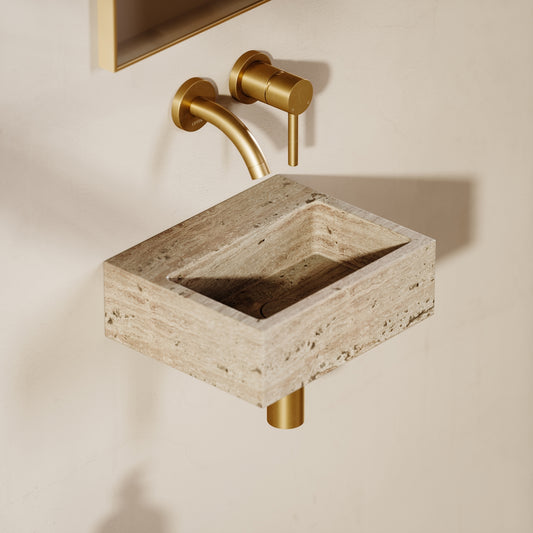
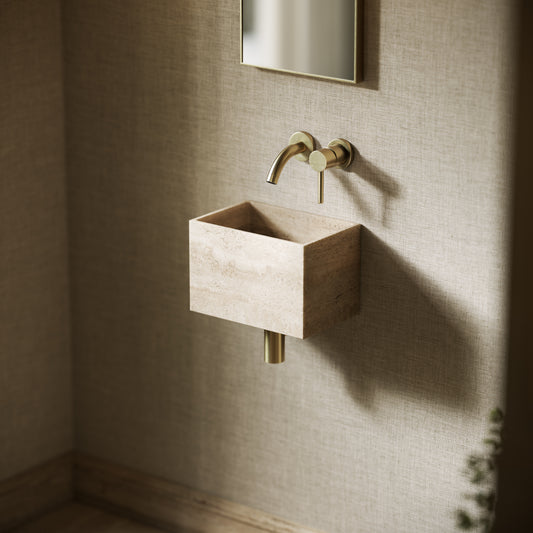
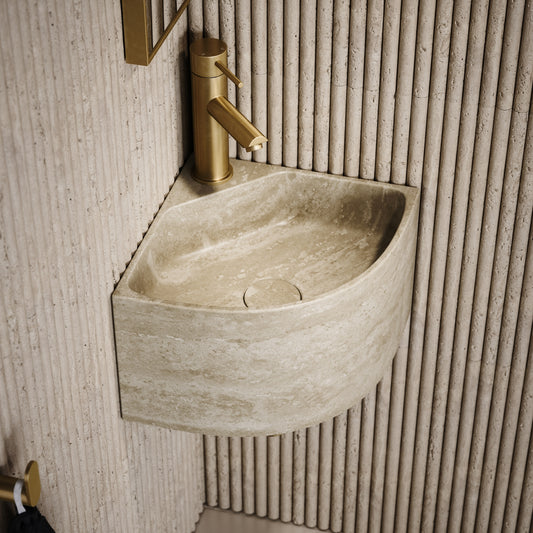
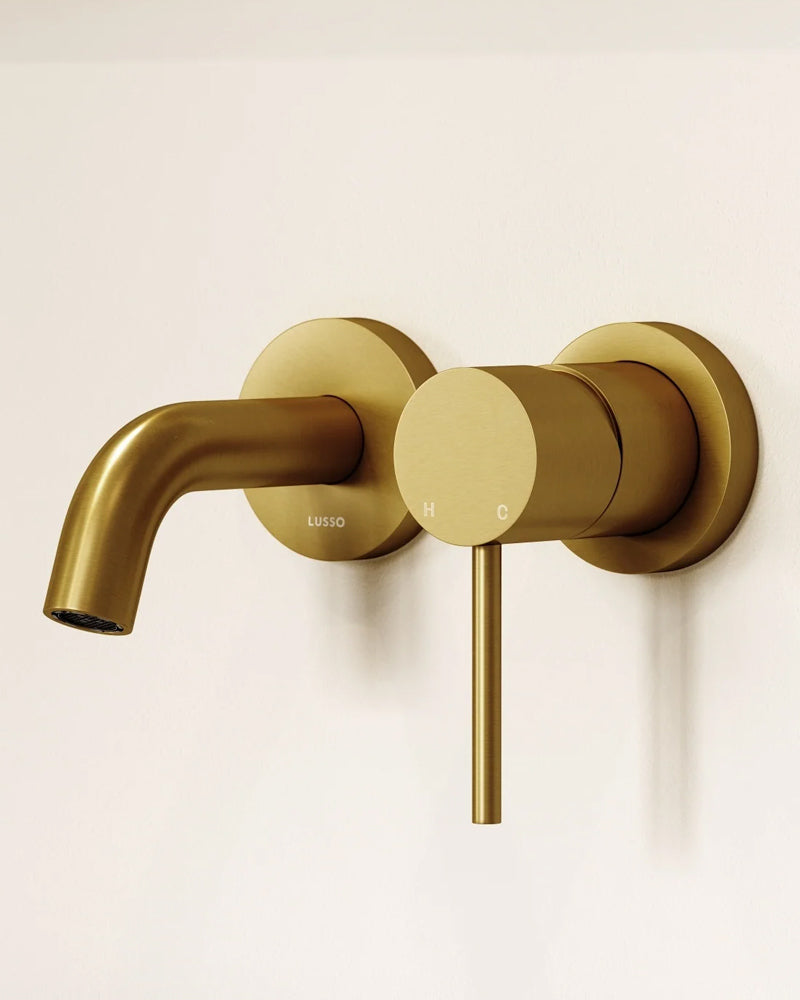
Our travertine collection consists of luxury bathroom basins, fluted vanity units, tiles and lighting that can be styled with matching brassware finishes including brushed gold, matte black and brushed bronze. 

For added peace of mind, Lusso offers a lifetime guarantee on solid stone fixtures and a 15-year guarantee for brassware fixtures, providing reassurance for long-term investment. 

For bespoke products, trade enquiries or aftercare support, contact the Lusso team on +44 20 3370 4057.

Travertine Care Do’s and Don’ts

Do

  • Clean weekly using warm water and a mild pH-neutral stone cleaner.
  • Blot liquid spills straight away using a soft microfibre cloth.
  • Always dry surfaces thoroughly with a towel after washing to prevent mineral spots.
  • Apply an impregnating, breathable stone sealer every 6 to 12 months.
  • Use coasters under drinks and protective mats under hot hair styling appliances.
  • Test all new cleaning solutions on a small, hidden patch before full use.

Don’t:

  • Never use steam mops or pressurised steam cleaners on travertine surfaces.
  • Never use acidic solutions like vinegar, lemon juice, or citrus bathroom cleaners.
  • Avoid bleach, ammonia, or conventional limescale removers.
  • Never scrub with wire wool, metal scouring pads, or hard-bristle brushes.
  • Do not use vacuum cleaners with active rotating beater bars on polished or honed stone.
  • Do not allow standing pools of water or cosmetic liquids to sit on the surface. 

Travertine Cleaning & Care FAQs

What is the best cleaner to use on travertine tiles?

The best cleaner for travertine tiles is a dedicated pH-neutral stone cleaner or mild liquid soap diluted in warm water. Use a soft microfibre cloth or mop, avoiding household cleaners containing vinegar, citrus acids or bleach, which can damage the stone.

Can you use a steam mop on travertine floors?

No, steam mops should not be used on travertine floors. Intense heat and moisture may compromise protective sealers and weaken resin fillers in filled stone over time. Instead, use a damp microfibre flat mop for gentle, effective cleaning.

How do you clean soap scum off travertine shower tiles?

Clean travertine shower tiles weekly with a pH-neutral stone cleaner and a soft microfibre cloth. Rinse thoroughly and dry tiles after each shower to prevent residue and mineral deposits.

Can you use vinegar or bleach to clean travertine?

We recommended avoiding vinegar, bleach and other harsh household cleaners on travertine. Vinegar can etch the calcium-based stone, leaving permanent dull patches, while bleach may damage protective sealers and cause discolouration. Always use a pH-neutral stone cleaner to protect the surface.

How often should travertine floor and wall tiles be resealed?

Reseal travertine every 6 to 12 months, depending on room foot traffic and water exposure. Test your seal by dropping clean water onto the tile; if the water absorbs and darkens the stone within 10 minutes, resealing is needed. Always choose a breathable impregnating sealer rather than a topical film sealer.