BUYING GUIDE

What are the Benefits of a Stone Bath?

BUYING GUIDE

What Are The Benefits Of A Stone Bath?

A bathroom is no longer defined purely by utility. In contemporary interiors, it has evolved into a space of ritual, restoration, and quiet indulgence. At the centre of this transformation sits the bath itself - no longer a background fixture, but a sculptural focal point that anchors the entire room.

Among the most desirable choices for this elevated bathing experience is the stone bath. Crafted from high-performance stone resin, it brings together architectural presence and tactile luxury in a way that redefines everyday bathing. But what are the benefits of a stone bath, and why are so many luxury homeowners moving away from acrylic alternatives?

Below, we explore the defining advantages of stone baths, and why they represent a long-term investment in both comfort and design.

Unrivalled Heat Retention

One of the most celebrated benefits of a stone bath is its exceptional ability to retain heat. Unlike thin acrylic tubs, stone resin has a high thermal mass. This means it absorbs heat from the water and holds it for significantly longer, maintaining a consistent, comforting temperature throughout the soak. The experience is noticeably different - water that remains warm and enveloping, even after 30 to 45 minutes, without the need to repeatedly top it up.

This isn’t just about comfort, it also contributes to efficiency. Because the bath retains heat so effectively, less hot water is required over time. The result is a more considered, energy-conscious bathing ritual that doesn’t compromise on luxury.


Tactile Luxury & Aesthetic Power

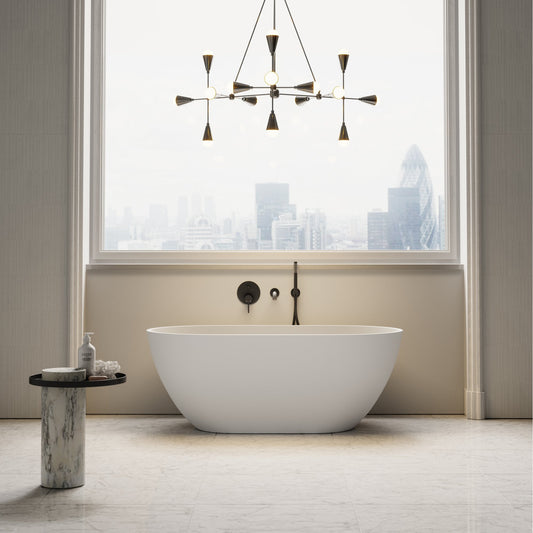
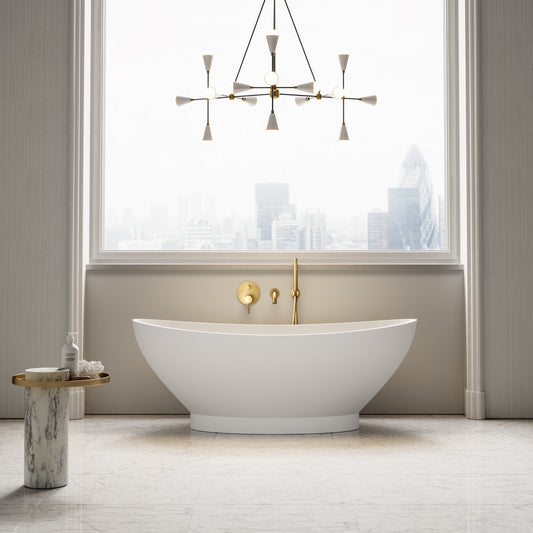
A stone bath is as much a design statement as it is a functional fixture. Its solid-core construction creates a seamless, weighty presence that immediately distinguishes it from lighter acrylic alternatives. There is no flexing, no hollow echo, and none of the subtle “creaking” often associated with plastic-based tubs. Instead, there is stillness - an architectural solidity that feels intentional and refined.

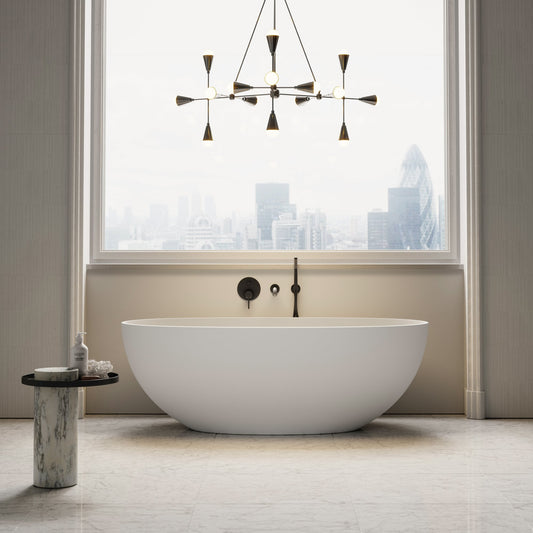
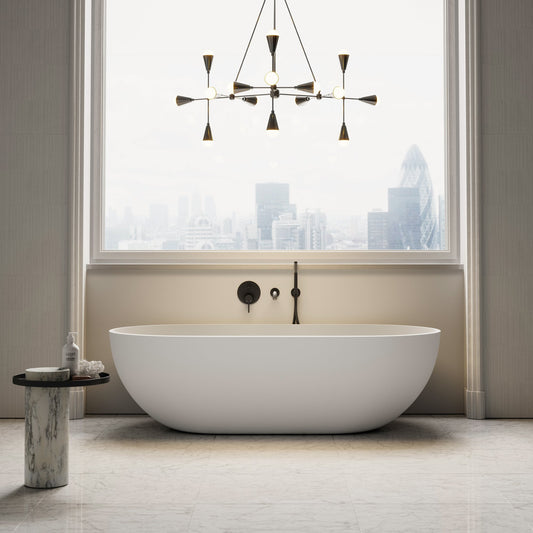
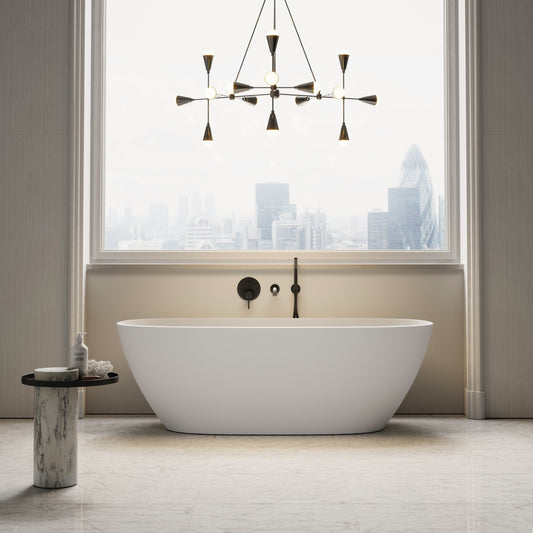
Aesthetically, stone baths offer a choice of finishes that elevate different interior styles. A matte surface brings a soft, contemporary, almost sculptural quality that is ideal for minimalist or organic bathroom schemes. In contrast, a polished finish introduces a sense of classic opulence, reflecting light and enhancing the sense of grandeur within the space.

Whether positioned in a spa-inspired wet room or a heritage-style bathroom, a stone bath becomes the natural focal point of the design.

Explore the collection here.


Lifetime Durability & Repairability

Durability is where stone baths truly distinguish themselves. Stone resin is a solid-core material - meaning it is consistent all the way through its lifespan. This structural integrity makes it highly resistant to impact, scratching, and long-term wear.

Even in the unlikely event of surface damage, stone resin offers a unique advantage - it can be restored. Minor scratches can be professionally buffed back to their original finish, unlike gel-coated or acrylic tubs where damage is often permanent and visible.

This longevity transforms the bath from a short-term fixture into a long-term architectural investment that maintains its integrity and appearance for years to come.


Superior Hygiene

A defining technical advantage of stone resin is its non-porous surface. Because the material is manufactured as a dense, sealed composite, it contains no microscopic pores where moisture, bacteria, or mould can settle. This makes the surface naturally hygienic and highly resistant to staining.

In practical terms, this means maintenance is refreshingly simple. A soft cloth, warm water, and mild soap are typically all that is required to keep the bath in pristine condition. Harsh chemical cleaners are unnecessary, helping preserve both the finish and the environment around it.

For guidance on maintaining its finish, you can read more here.


Sustainability & Long-Term Value

In a world increasingly focused on conscious consumption, the principle of “buy once, buy well” has never been more relevant. Stone baths are designed with longevity at their core. Their durability reduces the need for replacement over time, helping to minimise material waste and unnecessary refurbishment cycles. This extended lifespan also contributes to their sustainability profile, particularly when compared to shorter-life acrylic alternatives.

Beyond environmental considerations, a stone bath also enhances perceived property value. A well-designed bathroom featuring a sculptural stone bath introduces a sense of luxury hotel living - an increasingly desirable quality in residential design.

It is not simply a purchase, but an investment in the long-term aesthetic and functional value of a home.

Stone Bath vs Acrylic

When comparing a stone bath to an acrylic option, the differences are best understood in terms of performance, design preference, and the overall bathing experience. Both materials offer distinct advantages, making the choice less about which is “better” and more about what suits your space and lifestyle.

  • Heat retention: Lusso Cortese® Stone keeps water warmer for longer, making it better for long, relaxed soaks, while acrylic heats up quickly but is better suited to shorter, everyday baths.
  • Material structure & feel: The stone is solid throughout, giving a heavier, more substantial feel, whereas acrylic is layered with a reinforced base, making it lighter and more flexible in construction.
  • Surface finish: Lusso Cortese® Stone is non-porous, highly stain-resistant, and naturally antibacterial with a refined matte or polished finish; acrylic offers a smooth surface in a wider variety of finishes that are easy to clean.
  • Weight & installation: Stone baths are very heavy (around 120–180kg), giving a strong architectural presence but requiring more planning for installation, while acrylic baths are much lighter (about 20–40kg) and easier to install.
  • Longevity: Stone is designed as a long-term, renewable material built for decades of use, while acrylic is durable in everyday conditions but generally relies more on careful maintenance over time.

Acrylic baths remain a practical and versatile choice, particularly for those prioritising ease of installation, lighter weight, or a more accessible price point. Stone baths, on the other hand, offer a more immersive, spa-like experience with enhanced heat retention and a sculptural, design-led aesthetic.

Ultimately, both materials have their place - the decision comes down to whether you’re seeking everyday functionality or a more elevated, design-focused bathing ritual.

Creating a Hotel-Style Bathroom at Home

A stone bath naturally sets the tone for a luxury, spa-like interior - but the finishing details elevate the experience further.

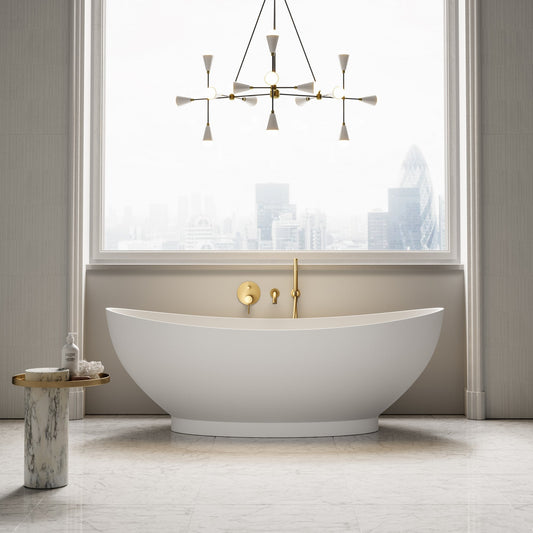
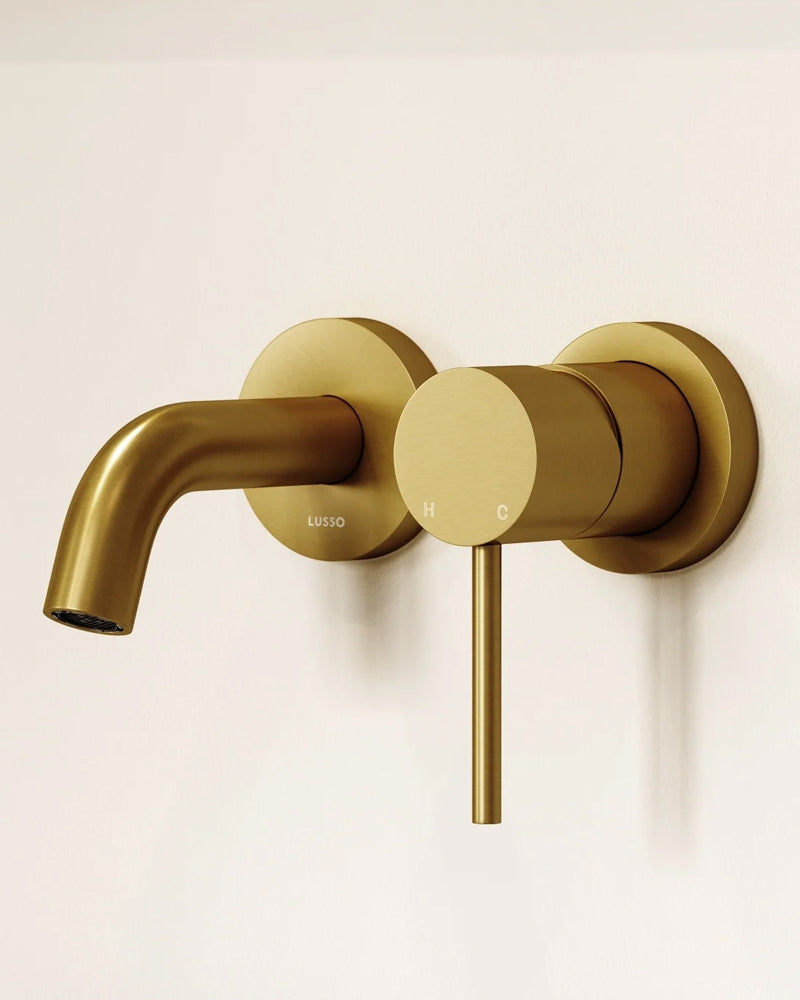
Pairing a sculptural bath with brushed brass or polished brass fittings introduces warmth and contrast, enhancing the richness of the material palette. Alternatively, matte black fixtures create a more contemporary, architectural aesthetic, particularly effective in minimalist spaces.

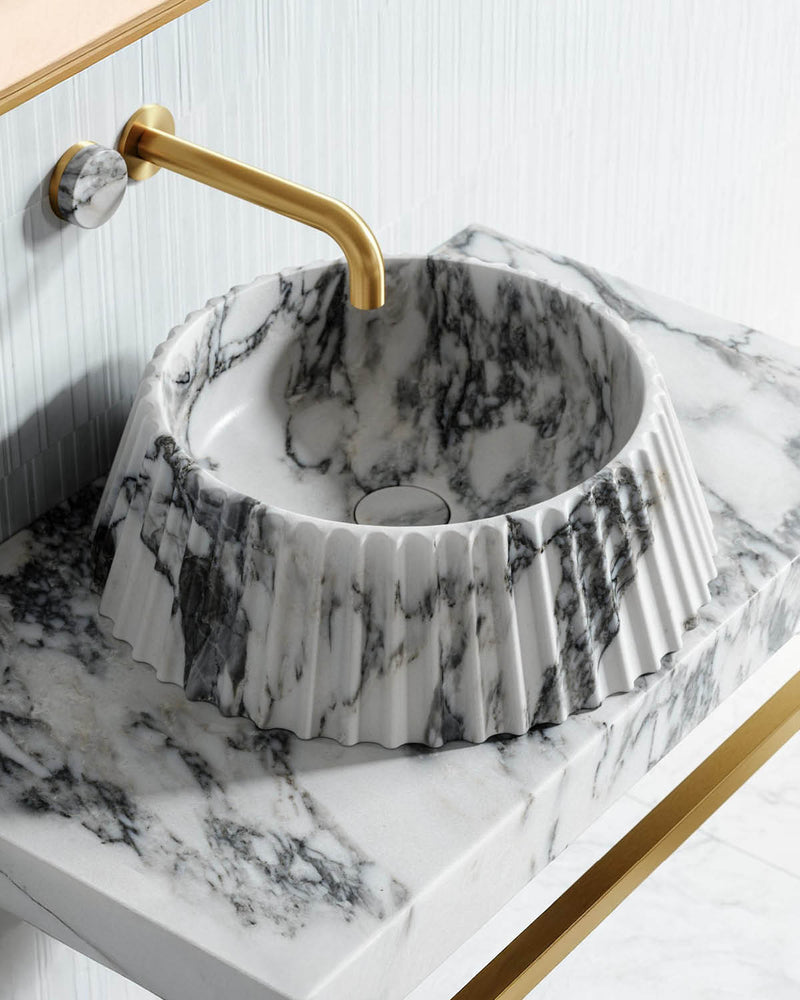
Layering in soft lighting, natural textures such as stone or timber, and plush towels completes the atmosphere - transforming the bathroom into a private sanctuary rather than a purely functional space.

To explore statement designs, view the full range of stone baths here.

In Summary

The benefits of a stone bath extend far beyond appearance. From superior heat retention and hygienic surfaces to unmatched durability and tactile luxury, stone resin baths represent a complete rethinking of the bathing experience.

Where acrylic prioritises convenience, stone prioritises permanence. Where standard tubs serve a function, stone baths create an atmosphere.

Ultimately, choosing a stone bath is about more than upgrading a bathroom - it is about elevating a daily ritual into something restorative, intentional, and enduringly beautiful.